Consider the following Fourier series, 
Let’s explore this further by comparing this sum to more pedestrian examples. Consider 


Unsurprisingly, wether we take even or odd partial sums, the total converges to the same value of 
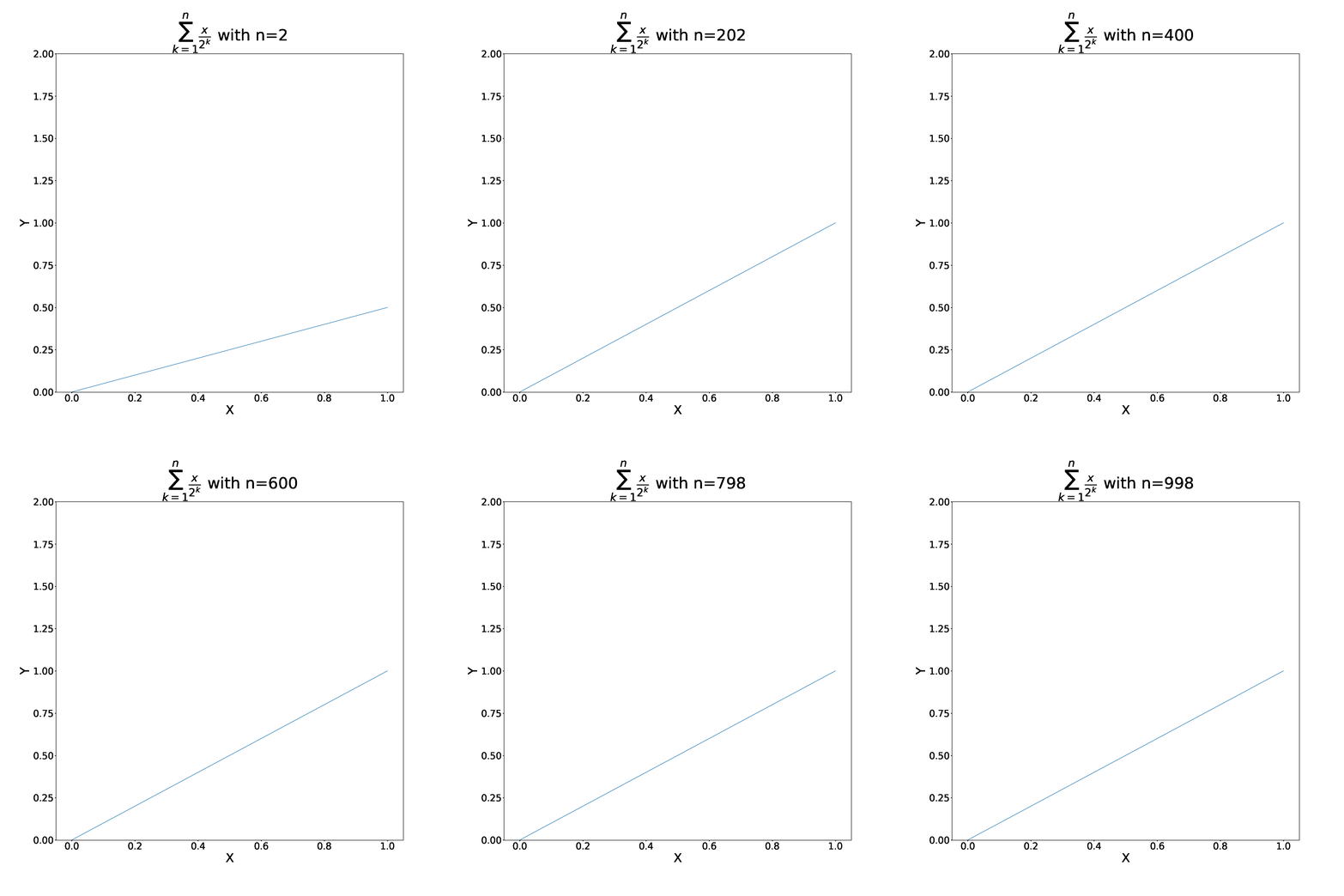

However, if we consider the behavior of the fourier series in question,

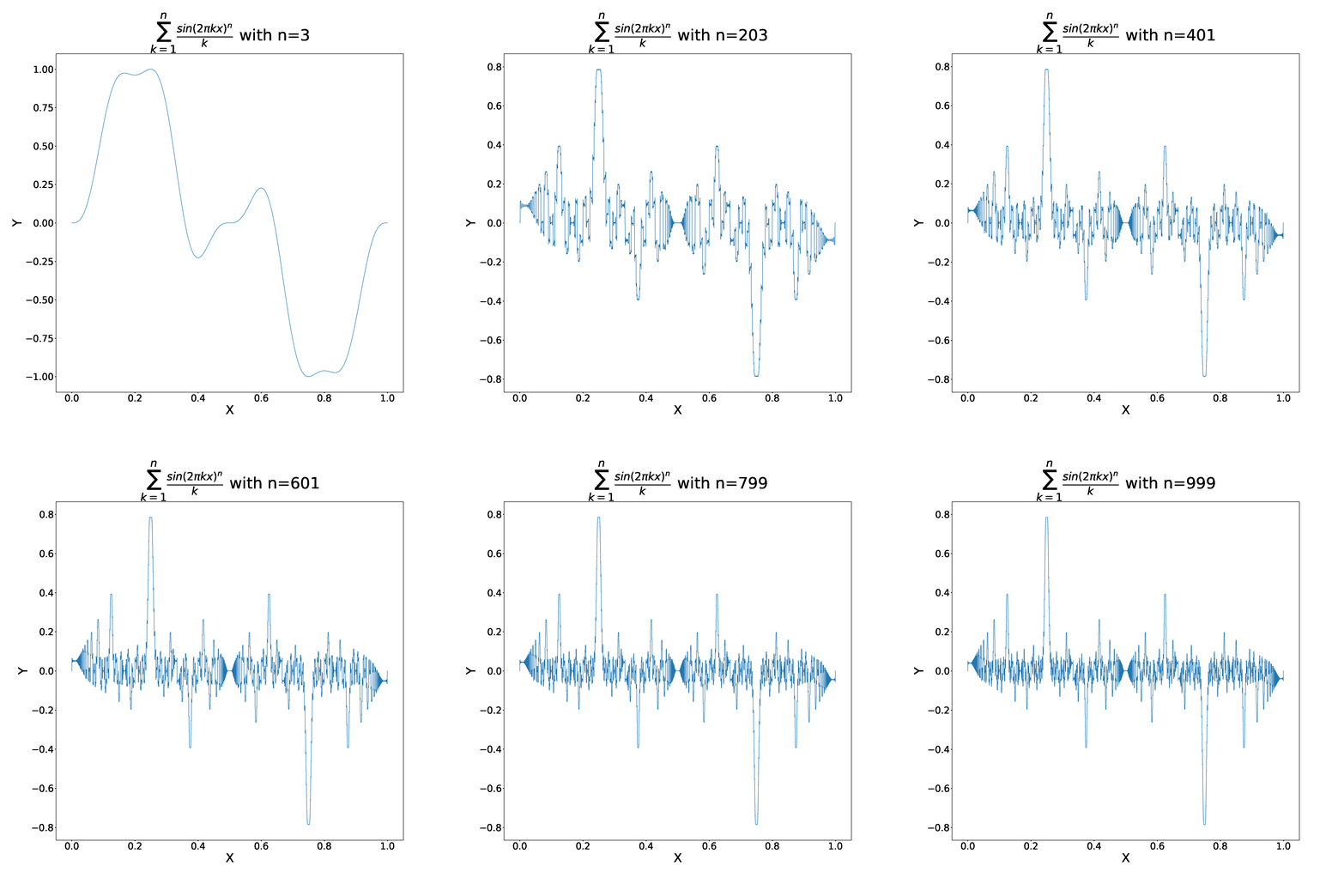
This function behaves very differently, the even and odd partial sums still converge, but in this case, converge to totally different functions. How interesting!
Github Link to Code: https://github.com/r-zachary-murray/archive/tree/master/sinusoid_convergence_animation
 degenerate-states.com